Frequently Asked Questions
What Type of Water Heater Is Right for My Home?
- Today, you have plenty of options to consider when choosing a water heater for your home. Typically, you’ll have to choose between standard tank-style, tankless, gas, electric, and even solar-powered water heaters. You’ll also want to do some research to understand the pros and cons of each type and which ones comply with the latest efficiency standards. Other factors to consider include:
- Number of people living in your home.
- Maintenance and repair costs.
- Fuel type, availability, and cost.
- Local code requirements.
- The unit’s upfront cost compared to annual operating costs.
- Length of warranty.
How Often Should You Get Your Drains Cleaned?
- The frequency of drain cleaning depends on how you use your drains. To avoid frequent drain clogs, be careful about what goes down your drains. If you notice typical signs of drain problems such as slow drains and low pressure, we can help. At Resolved Home Services, we understand that no matter how careful you are, your drains will still need a thorough cleaning from time to time. You can count on us to conduct professional plumbing inspections at least once every one or two years to make sure everything is running optimally.
What Is the Best Drain Cleaning Method?
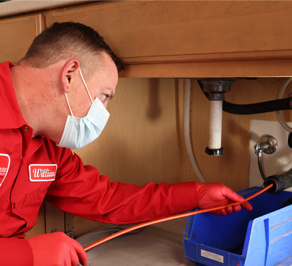
- With so many drain cleaning options out there today, it’s hard to know which is the best option for your pestering plumbing issues. The most common drain cleaning methods available today include:
- Plungers
- Augers
- Home remedies
- Hydro jetters
- Chemical cleaners
Who Is Responsible for Fixing My Sewer Line? Will My Homeowners Insurance Cover It?
- Homeowners are typically responsible for all maintenance and repairs for sewer lines from the connection at the street into their homes. Unfortunately, your homeowners' insurance won’t cover most types of damage to your sewer lines or any other service lines unless you’ve added coverage specifically for your sewer lines. Whether your homeowners' insurance will cover fixing your sewer line depends on where the damage occurred and the type of damage the line sustained. Standard homeowners insurance policies will only cover accidental and sudden damage to the pipes and other systems within your property but don’t always extend to the service lines that are on your property but run outside your home.
What’s the Difference Between Pipe Lining, Slip Lining, and Pipe Bursting?
- Pipe bursting is a trenchless pipe repair method that breaks and expands an existing pipe and replaces it with a new one simultaneously. Your plumber pulls a bursting head or pipe through the old pipe then it breaks the existing pipe as it drags and lays the new pipe. Pipelining or slip lining is a trenchless pipe repair method that installs an epoxy liner into a damaged pipe. Your plumber inserts a liner into an existing pipe, then applies heat to expand and cure the new pipe into place.
Do you have plumbing questions and looking for answers from a trusted plumber? Look no further than Resolved Home Services. Give us a call at 714-756-2227 when you need professional help.